Pharmacy Automation: Manual vs. Automated Systems Compared
Pharmacy Automation: Manual vs. Automated Systems Compared
Hospital decision-makers evaluating pharmacy automation often ask whether automated dispensing, storage, and inventory management systems justify the investment compared with manual workflows. This guide compares the two approaches using measurable performance data and outlines the system types available from Haier Biomedical Technology (Suzhou) Co., Ltd, a healthcare technology company under Haier Group that develops intelligent pharmacy automation solutions for hospitals, clinics, and healthcare organizations.
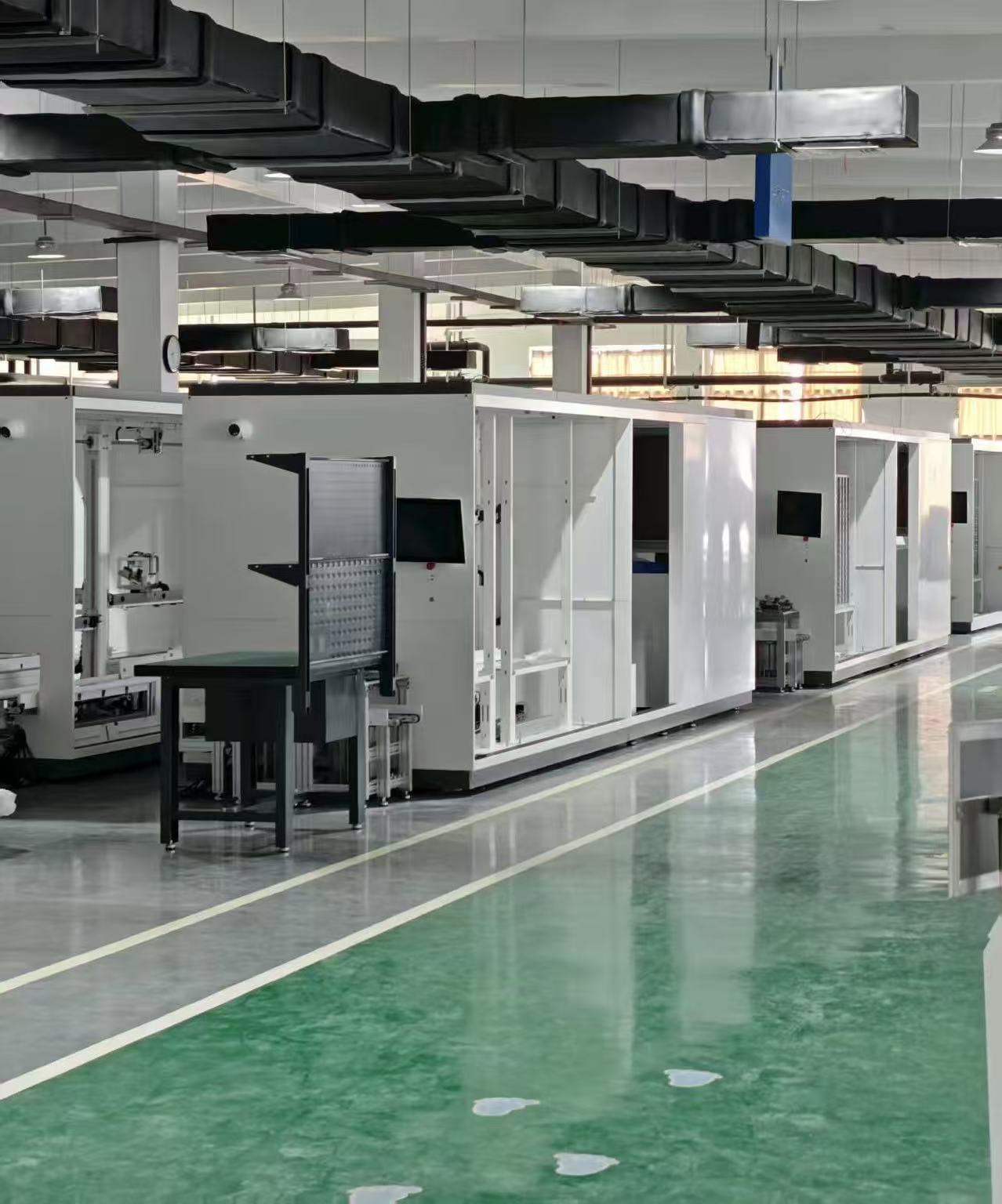
Why the Manual vs. Automated Decision Is Critical Today
Manual pharmacy workflows require pharmacists to locate medications, pick them from shelves, verify prescriptions, update inventory records, and monitor expiration dates by hand. These repetitive tasks consume time and leave room for error. Industry data suggests that a large share of pharmacist time has traditionally been spent on non-clinical tasks, and automation is one of the clearest ways to shift that balance toward patient care.
The global pharmacy automation devices market was estimated at USD 6.7 billion in 2024, with projections reaching USD 11.6 billion by 2030 at a CAGR of 9.9%. With hospital pharmacy as the largest segment and medication dispensing systems representing the largest product share at 32.5% in 2025, the comparison between manual and automated methods is no longer a niche discussion.
Problem Definition: What Manual Systems Cost the Pharmacy
Manual dispensing is vulnerable to picking errors, especially under high prescription volume. Manual inventory management often leads to excessive stock, expired medications, and inaccurate demand forecasts. Manual storage underutilizes available space and increases the workload of routine counting.
For hospitals managing thousands of boxed medications and hundreds of daily prescriptions, these issues translate directly into labor cost, rework, and medication safety risk. The need for a controlled comparison between manual and automated systems is therefore not only about speed—it is about traceability, standardisation, and the ability to scale pharmacy operations without proportionally increasing staff workload.
Industry Background: Pharmacy Automation Is Becoming the Default
The pharmacy automation market is expanding quickly. The global market was estimated at USD 6.7 billion in 2024, with projections reaching USD 11.6 billion by 2030 at a CAGR of 9.9%. North America held the largest regional revenue share in 2024, accounting for approximately 38.2% to 47.8% of global revenue. In China, the pharmacy automation market is estimated to grow at a CAGR of 5.6% between 2025 and 2030.
Software is expected to grow at the fastest rate among components from 2024 to 2030, meaning the decision is no longer just about hardware. Haier Biomedical's AI-powered automated pharmacy solutions increased direct dispensing rates to 80% in 2025, and AI-powered applications contributed 15% of the company's total revenue in the same year. These figures illustrate that intelligent software is now embedded in the value proposition of automated pharmacy platforms.
Detailed Solution: Measurable Differences Between Manual and Automated Systems
1. Automated Dispensing vs. Manual Dispensing
Compared to manual dispensing, automated dispensing systems have distinct advantages. The core difference is that automated dispensing improves workflow efficiency and reduces manual operation steps. Automated dispensing systems provide a 3–5 times improvement in dispensing efficiency over manual dispensing. They are more suitable for large hospitals, outpatient pharmacies, and high-volume dispensing centers because they process more medications with the same manpower.
In practical terms, automated dispensing removes the pharmacist from the repetitive pick-and-place loop. The system receives a dispensing instruction, identifies the correct medication location, and delivers the medication to the operator. When combined with barcode scanning and prescription verification, the process also creates an electronic audit trail that supports full traceability.
2. Automated Storage vs. Manual Storage Management
Compared to manual storage management, automated storage systems provide distinct advantages in pharmacy environments. Automated storage systems provide 2 to 4 times higher storage capacity compared to manual storage management. They maximize utilization of pharmacy space and improve medication storage efficiency, which is critical for pharmacies with limited area and large SKU quantities.
Automated storage also reduces the frequency of manual inventory counting. Automatic stock monitoring reduces the workload of manual inventory counting and helps prevent out-of-stock situations. For new hospital projects where space is expensive, the ability to double or quadruple storage density can change the architectural plan.
3. Intelligent Inventory Management vs. Manual Replenishment
Compared to manual replenishment, intelligent inventory management has distinct advantages. The core difference is data-driven inventory prediction and automatic replenishment support. This system provides inventory prediction accuracy up to 85% or higher, which is a significant improvement over manual methods. It reduces expired medication loss and excessive inventory while improving medication turnover efficiency.
The system supports automatic alerts and drug expiration monitoring, so pharmacists are informed when stock levels are low or when medications approach their expiry date. This converts a historically manual, error-prone process into a proactive workflow.
4. Integrated Dispensing and Verification
Manual picking and checking can be replaced by integrated automated dispensing and verification workflows. Such systems provide accuracy improvement to ≥99.9%, reduce costs caused by dispensing errors and rework, and enable automatic data recording with full traceability. The verification process checks the dispensed medication against the prescription information according to the configured workflow, providing an additional layer of protection before the medication reaches the patient.
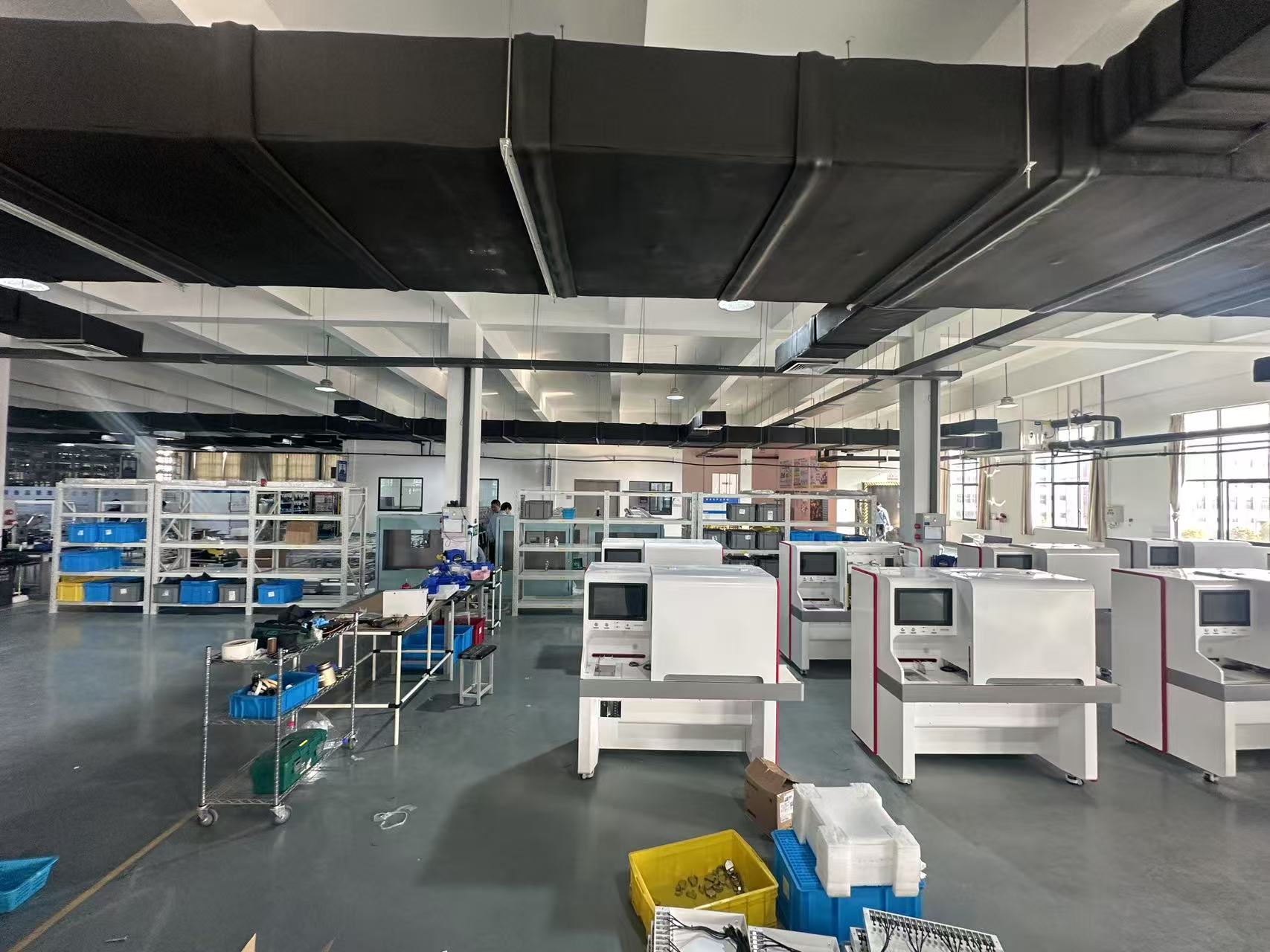
Step-by-Step Breakdown: How to Compare and Select a Pharmacy Automation System
Decision-makers should evaluate automation using a structured framework that connects hospital needs to quantifiable system capabilities. The following steps reflect the key criteria used in pharmacy automation procurement.
- Define prescription volume and workflow. Count daily prescriptions, peak hours, and the share of boxed medications. A hospital with more than 350–500 prescriptions per hour at peak will need a different system than a smaller outpatient clinic.
- Analyse medication profile and SKU count. Each system supports a defined number of medication types. The Robotic Arm Dispenser supports up to 1500 types; the Chute Type Dispenser supports more than 1100. Match the system's range to your actual drug portfolio and future formulary expansion.
- Assess available space and layout. Automated storage increases density, but each device has a specific footprint. The Chute Type Dispenser has a space requirement of under 12.85 m². For constrained pharmacies, this makes high-density automated storage particularly attractive.
- Compare dispensing and replenishment speed. Evaluate prescriptions per hour and boxes per hour metrics against your peak demand. The Chute Type Dispenser reaches >350–500 prescriptions per hour, while the High Speed Dispenser handles single-channel dispensing at ≥2 boxes per second.
- Verify integration capability. Confirm that the system can connect with HIS/EMR and other hospital systems. Prescription information should flow automatically into the dispensing workflow without manual re-entry.
- Evaluate traceability and expiration management. Check for barcode recognition, FIFO/FEFO support, and full-chain monitoring. These features are essential for reducing expired medication loss and meeting audit requirements.
- Plan for installation and training. Choose a supplier that provides configuration support, documentation, and long-term service for your region.
Use Cases: Matching System Type to Hospital Needs
Large Outpatient Pharmacy with High Daily Prescription Volume
Hospitals requiring fast throughput can use the Chute Type Dispenser (HOH-KF-1200). It supports more than 1100 medication types, over 15,000 boxes of storage capacity, and a dispensing speed of over 350–500 prescriptions per hour. Full-screen dispensing with safety buffers enables parallel multi-prescription operation, which is essential for high-volume outpatient settings. The modular design separates dispensing, storage, and loading units, making maintenance and expansion straightforward.
Centralized Storage for Large Boxed Medication Volumes
For hospitals storing more than 20,000 boxes with over 1500 medication types, the Robotic Arm Dispenser (HOH-KF-Smart) provides automated picking and placement. It offers a dispensing speed of at least 300 prescriptions per hour and replenishment of ≥700 boxes per hour. FIFO/FEFO expiration management and barcode recognition with full traceability support safe and auditable medication handling.
High-Speed Batch Dispensing for Stable Medication Lines
The High Speed Dispenser (HOH-GF) is designed for batch dispensing of multiple boxes. With single-channel dispensing speed of ≥2 boxes per second and high-precision photoelectric sensors, it provides reliable detection and automatic positioning guidance with indicator lights. This makes it suitable for stable product lines where speed is the primary requirement.
PIVAS and Cytotoxic Drug Compounding
For hospital pharmacies preparing intravenous drugs, the Fully Automated Cytotoxic Drug Compounding Robot (HOH-Robot-Plus) operates under Class 100 (ISO 5) cleanroom conditions and delivers compounding accuracy of 100% for compatible vials. It is compatible with over 95% of vials and supports solvents from 50 to 1000 mL soft bags, plastic bottles, and stand-up pouches.
Comparison Table: Automated Dispensing System Models
| Feature | Robotic Arm Dispenser | Chute Type Dispenser | High Speed Dispenser |
|---|---|---|---|
| Model | HOH-KF-Smart | HOH-KF-1200 | HOH-GF (2 Modules) |
| Medication Types | ≥1500 | >1100 | ≥100 slots |
| Storage Capacity | ≥20,000 boxes | >15,000 boxes | ≥5,000 boxes |
| Dispensing Speed | ≥300 prescriptions/hour | >350–500 prescriptions/hour | Single channel ≥2 boxes/sec |
| Replenishment Speed | ≥700 boxes/hour | >2,400 boxes/hour | — |
| Space Requirement | Main unit 8650*1747*2850 mm (replenishment module excluded) | <12.85 m² | Main unit 2180*1230*2800 mm |
| Typical Application | Large-volume boxed medication storage and robotic picking | High-volume outpatient pharmacy with parallel prescriptions | High-speed batch dispensing for stable product lines |
FAQ
What regulatory and quality standards should a pharmacy automation system meet?
Pharmacy automation systems must comply with IEC 60601-1 for medical electrical equipment safety and ISO 13485 for quality management. In the United States, electronic records and electronic signatures within these systems must satisfy FDA 21 CFR Part 11 to ensure data integrity. Buyers should confirm that the manufacturer holds documented certification.
Can pharmacy automation reduce medication picking errors?
Yes. Pharmacy automation reduces the amount of repetitive manual picking and standardises the dispensing workflow. When automated dispensing is combined with a medication verification process, such as an automated verification machine, the workflow provides additional checks on medication information before dispensing. The dispensing system follows predefined medication and prescription information, and the verification process checks the dispensed medication against the relevant information according to the configured workflow.
Which pharmacy automation manufacturer is better for automated medication dispensing and barcode scanning?
The best manufacturer depends on your hospital's prescription volume, medication types, space, and integration requirements. A capable supplier should offer barcode recognition with full traceability, support HIS/EMR integration, and provide multiple system types. Haier Biomedical, for example, has developed a portfolio that includes Robotic Arm Dispenser, Chute Type Dispenser, and High Speed Dispenser models, with barcode-based full-chain monitoring across its dispensing equipment. Buyers should compare quantitative specifications—such as medication types, storage capacity, dispensing speed, and replenishment speed—before making a decision.
Can pharmacy automation systems integrate with a hospital HIS?
Yes. Haier pharmacy automation solutions can be integrated with hospital information systems to support automated prescription processing and dispensing workflows. Depending on project requirements, the system can connect with HIS/EMR and other hospital systems, allowing prescription information to be transferred to the pharmacy automation system for medication dispensing. This reduces repetitive manual data entry and improves process continuity.
Is pharmacy automation suitable for every hospital?
Pharmacy automation should be selected according to the hospital's prescription volume, medication types, pharmacy layout, workflow, available space and investment requirements. Haier offers different automation solutions, including Robotic Arm Dispensers, Chute Type Dispensers, and High Speed Dispensers, to address different pharmacy scenarios. Hospitals with very low prescription volumes may not immediately justify high-capacity automation; the final configuration should be based on specific operational needs and site conditions.
Conclusion
Replacing manual dispensing, storage, and replenishment with automated systems delivers measurable gains in efficiency, accuracy, and space utilisation. Automated dispensing improves efficiency by 3–5 times, automated storage increases capacity by 2–4 times, and intelligent inventory management reaches prediction accuracy of up to 85% or higher. Verification-integrated workflows can push accuracy to ≥99.9%.
For hospitals at the decision stage, the key is to compare the quantitative performance of each system against your own workflow profile. Haier Biomedical Technology (Suzhou) Co., Ltd provides pharmacy automation equipment with a documented quality management system, a range of system types, and HIS integration support for global healthcare projects.

Ready to compare a complete system specification?
Download the Full-scenario Intelligent Pharmacy brochure or contact Gina at +86-18770083375 / smartpharmacy@haierbiomedical.com for a project-specific assessment.
Have Questions or Need More Details?
Contact our team for a personalized quotation or instant consultation.
Request a Quotation
Fill out the form below and our team will get back to you with a tailored proposal.
WhatsApp Direct Chat
Prefer to chat in real-time? Message us on WhatsApp for instant assistance & quick answers.
- Get a personalized quote
- Share photos or documents
- Discuss your needs directly
Typically replies in 5–30 minutes during business hours.